
The market for sports cards is heating up for the Mavericks’ prodigy. With a dizzying rise in transaction volumes over the last quarter, the hobby is experiencing a thrill of capital concentration it hadn’t known since Zion Williamson’s mania. Between the breakers’ appetite, the grading frenzy, and pre-playoff speculation, a dive into the financial gears of the Flagg phenomenon to separate the real hit from the ephemeral bubble.

The NBA calendar dictates the market for sports cards with the regularity of Swiss clockwork. It is late March 2026, and the opportunity window that seasoned investors call the “upswing phase” is wide open. The No. 1 pick of the 2025 draft is not only validating the hopes placed in him, he is blowing past the numbers. With averages of 23.7 points, 7.4 assists and 6.4 rebounds over his last ten games, Cooper Flagg is establishing himself as a true franchise player at only 19. His formidable efficiency, shooting 47.3% from the field and 81.1% from the free-throw line over all 61 games, reassures buyers about his durability.
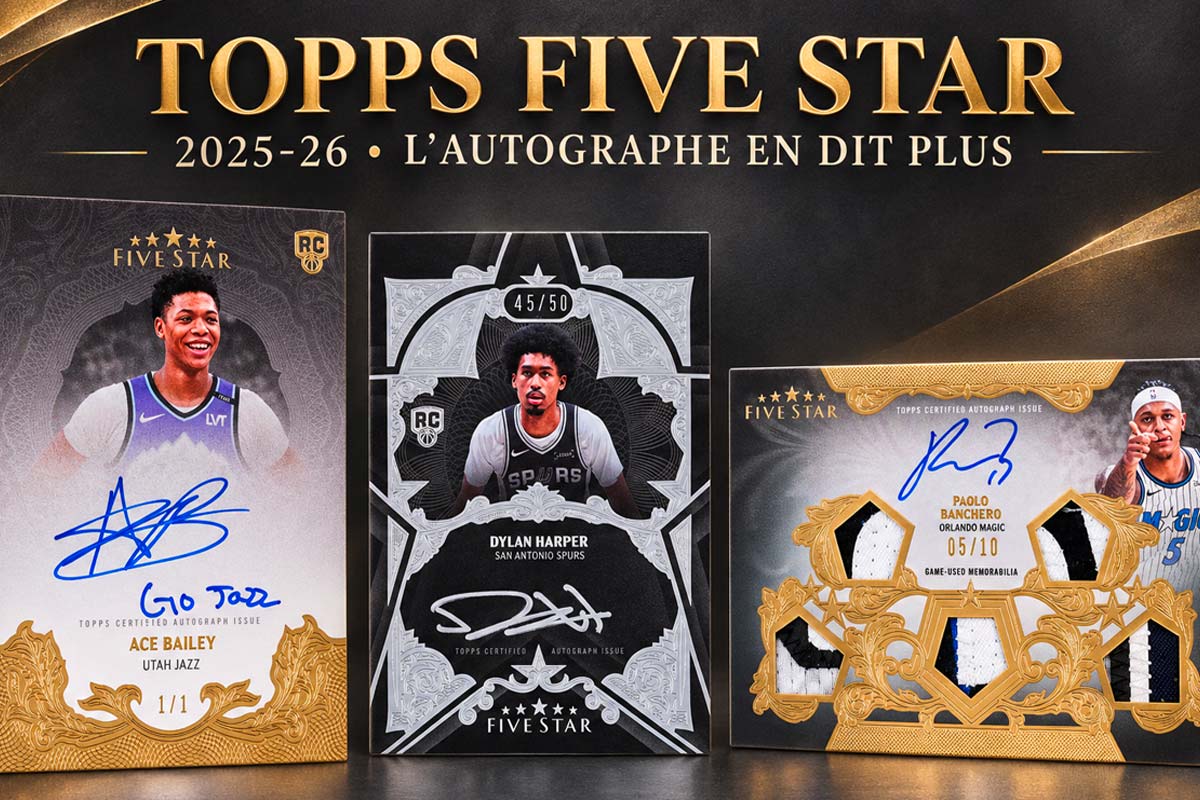
The translation of these performances onto the secondary market is brutal. Major resellers report a 400% jump in transactions on the Dallas wing’s cards compared to the start of the season. This concentration of liquidity is rare: Flagg alone captures nearly 60% of the basketball category’s revenue in some specialized shops, relegating rookies who are nonetheless very solid such as Ace Bailey, Dylan Harper, or VJ Edgecombe to the rank of mere consolation lots.
The Wembanyama syndrome and market anticipation
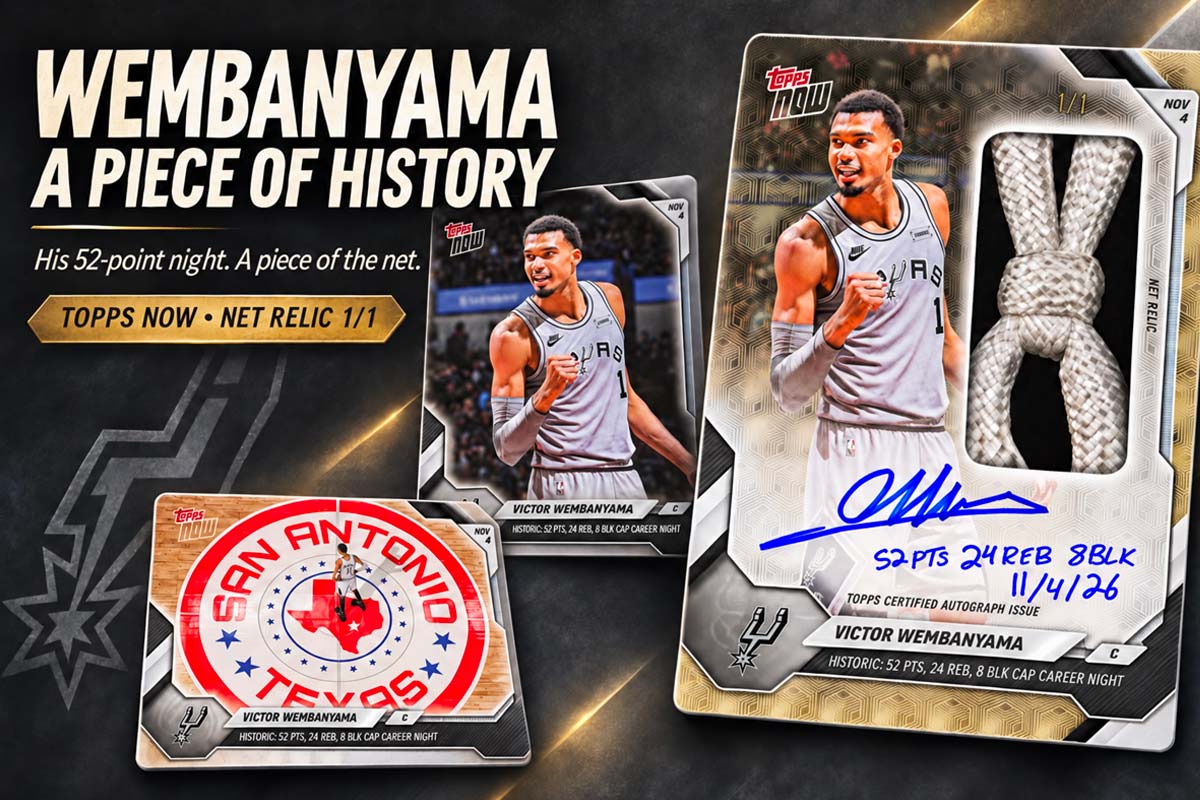
To understand this buying hysteria, you have to look in the rearview mirror. The hobby has a short memory, but last season’s scar is still fresh. Collectors have seen Victor Wembanyama’s PSA 10 slabs triple in value after last year’s All-Star Break. No way to miss the train this time, especially since the level of play shown by the Dallas player strongly hints at the Rookie of the Year title.
This collective memory changes buying behavior. Typically, the start of the regular season floods the market with raw cards from mass openings by breakers. Prices erode mechanically under the weight of supply. Today, investors aggressively scoop up these raw cards to send them for grading, hoping to obtain the precious Gem Mint 10 before playoff prices soar.
The bottleneck in authentication services
This massive influx of cards has direct consequences on the hobby’s supply chain. Return times at PSA and BGS for the basketball category have lengthened by two to three weeks compared with December. Submission volume is exploding, each collector seeking to certify their finds before televised hype of the finals attracts money from casual buyers.
Decoding the ratings: Where is the real liquidity hiding?
Transactional data from the past few weeks sketch a very clear hierarchy. While base editions benefit from the general excitement, it is premium versions that capture the smart money.
| Card (Season 2025-26) | Condition / Grade | Season Start Price | Current Grade (March 2026) | Change |
|---|---|---|---|---|
| Topps Base Rookie | Raw | $2 – $4 | $8 – $11 | + 175% |
| Topps Base Rookie | PSA 10 | ~ $50 | $93 – $148 | + 140% |
| Topps Chrome Base | Raw | ~ $8 | $14 – $18 | + 100% |
| Chrome X-Fractor | Raw / Auctions | N/A | ~ $270 | – |
The real battle is fought on the Chrome range. The print runs on this edition 2025-26 seem tighter across several parallel sets, establishing an implacable glass ceiling on the available supply. The Midnight parallels, for example, have jumped 85% in a single week at the start of the month. Investors target Refractors and X-Fractors, aware that it is on these shiny cards that the market will be most reactive in case of a speculative spike.
Separating FOMO from the long-term strategy
The market is currently living on the anticipation of a push from Dallas for the play-in or the playoffs. Each game with more than 20 points mechanically raises the floor price of Flagg’s cards. Those who accumulated Topps Chrome at $8 in December are merrily taking advantage of the risk premium paid by late buyers.
To navigate these choppy waters without getting overwhelmed, prudence requires defining your exit strategy. If you are aiming for a quick flip, the optimal window will be during a potential televised offensive burst in national prime time. This exposure will attract newcomers ready to overpay for base PSA 10.
For a heritage investment in the player’s career, avoid base cards whose pop count (the number of graded copies) will inevitably explode by summer, diluting their value. Direct your capital toward numbered cards, short prints, or on-card autos. The real test for Cooper Flagg’s rating won’t be his current dominance, but the intrinsic rarity of the pieces you’ll hold when the market moderates its supply during the next off-season.
Thinking about your strategy without betraying your passion
It starts there. Before PSA 10s, before pop counts and “flips,” there is a kid opening a pack hoping to pull his favorite player. This emotion—the crinkling of the plastic, the suspense moment—is what has kept the hobby alive for decades and what will continue to keep it alive when the next speculative bubble bursts.
The passionate collector and the speculator coexist today in the same hobby, sometimes in the same person. It isn’t a contradiction to resolve; it is a reality to understand. The current buzz around Cooper Flagg is real and legitimate — this player deserves his hype. But navigating this market with open eyes means knowing why you are entering it.
“A card is first and foremost a memory. The secondary market gives it a price. It’s not the same as giving it value.”
For the collector
Flee the sprint for PSA 10 on base cards (explosive pop count by summer). Aim for numbered cards, on-card autos, or short prints — pieces that will remain rare and that hold an aesthetic and historical value independent of the market.
For the investor
The optimal exit window is during a nationally televised prime-time game. Refractors and X-Fractors Chrome capture the capital of discerning buyers — tight print runs set a structural ceiling on supply. Define your exit strategy before you enter.
“The real test of the hobby isn’t the next bubble — it’s what remains when it deflates. The enthusiasts, them, always stay.”
This market is real, this hype is warranted — Flagg deserves it. But the hobby will outlive his career, just as it has survived all previous bubbles, because deep down, someone somewhere will always open a pack for the beauty of the gesture.